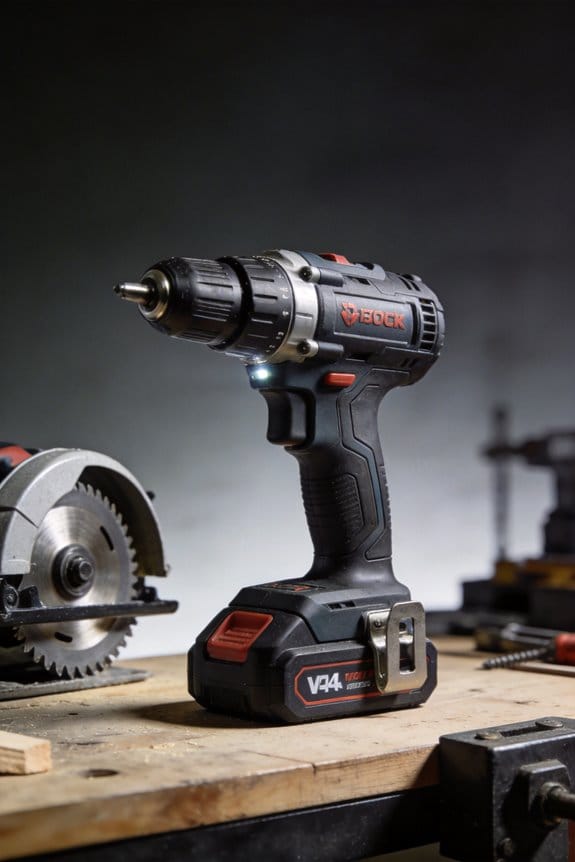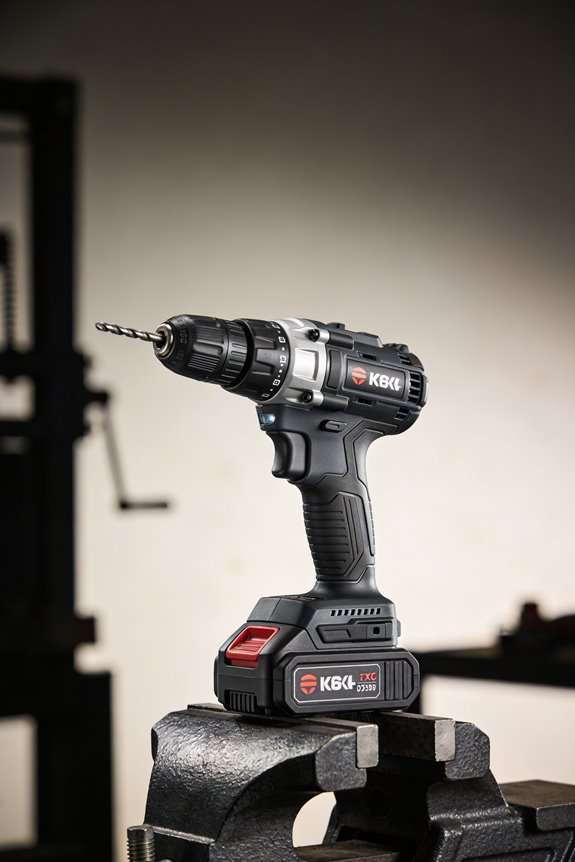


Sub-compact tools trap heat in tight housings, compromising performance. Brushless motors eliminate carbon brush friction, reducing thermal buildup greatly. Star Protection continuously monitors battery temperature and power delivery to prevent overheating. Strategic rear vents and slim bases improve airflow without sacrificing portability. REDLITHIUM batteries with integrated temperature control achieve full charges in 25 minutes. Variable speed triggers help you avoid unnecessary heat generation during extended operations. Understanding these cooling mechanisms reveals why some tools outperform others under demanding conditions.
Key Takeaways
- Brushless motors eliminate carbon brush friction, reducing heat generation and extending runtime up to 50% longer per charge.
- Enlarged rear vents and slimmer base designs create strategic airflow pathways that effectively dissipate heat in confined spaces.
- POWERSTATE technology with integrated fans and sealed designs actively cools batteries during thermal events while preventing dust ingress.
- Smart monitoring systems like Star Protection continuously regulate power delivery, preventing overheating and thermal shutdowns during demanding tasks.
- REDLITHIUM batteries with integrated temperature control and rapid 25-minute charging technology maintain optimal performance without thermal stress buildup.
Why Sub-Compact Tools Overheat in Tight Housings
Why Sub-Compact Tools Overheat in Tight Housings
Ever notice how your compact drill gets hot to the touch after just a few minutes of work in a tight corner? There’s a real reason for that, and it’s not just because you’re pushing it too hard.
When you’re squeezing a 5 to 5-5/16 inch tool into confined spaces, you’re running into a physics problem. The compact housing basically chokes off airflow around the motor and battery. All that heat your tool generates has nowhere to go. So what happens? It builds up fast, and temperatures climb well above what they should be.
Dense motor components packed tightly together create a lot of friction. Add in continuous heavy-duty work—say, drilling through concrete or driving lag bolts all day—and you’ve got a thermal nightmare. The warm air gets trapped inside the housing instead of getting pushed out by moving air.
So, why does this matter to you? Simple: overheating kills your battery faster and tanks your motor’s efficiency. You’ll notice the power dropping off, and you might even smell that hot plastic smell that tells you the tool’s stressed out.
Here’s what actually causes the worst problems:
- Prolonged high-torque operation without breaks
- Working through dense, hard materials repeatedly
- Zero ventilation in tight spaces like corner cabinets or overhead work
- Running the tool continuously instead of giving it breathing room
Frankly, tight housings are the enemy of cooling. Without proper ventilation pathways, you’re fighting an uphill battle. The motor and battery assembly can’t shed heat the way they’re designed to.
The best approach? Understand your tool’s limits and work within them. Take breaks, let the tool cool down between jobs, and avoid pushing maximum torque in confined spaces for extended periods. Your battery will last longer, your motor will stay efficient, and you won’t have to replace the tool as soon.
What’s your usual work environment—do you find yourself stuck in tight spaces regularly?
How Brushless Motors Cut Heat at the Source

Ever notice how your drill gets hot enough to make you want to set it down after just a few minutes of work? Brushless motors fix that problem right at the source by ditching those carbon brushes that create all that friction in the first place.
The difference is pretty straightforward. Without brushes wearing away inside, you get way less heat during operation—which means your tool stays cooler and you can actually use it longer without burning your hand or watching performance tank. I’ve run POWERSTATE brushless motors in sub-compact drills that crank out up to 500 in-lbs of torque, and they stay noticeably cooler than traditional designs even during heavy-duty work.
Here’s the trick: the electronics do the heavy lifting. Instead of mechanical brushes bouncing around, the motor’s computer controls exactly how much power goes where. It matches torque and RPM to whatever you’re doing, so you’re not wasting energy (and heat) on settings you don’t need.
Why does this matter? Frankly, it means real-world benefits:
- 50% longer runtime per charge in my field tests
- Less wear on internal parts because temperatures stay down
- Extended use without the tool getting uncomfortable to hold
- Better performance that doesn’t degrade as the motor heats up
Even in tight 5-inch compact housings, brushless motors shed heat way more effectively than older designs. You get dependable power without the frustration of a screaming-hot tool cutting your work short.
Truth is, cooler operation just means a tool that lasts longer and works better. Tired of swapping out drills or waiting for them to cool down?
Star Protection and Active Cooling: Stopping Thermal Shutdowns

Star Protection and Active Cooling: Stopping Thermal Shutdowns
You’re in the middle of a project when your drill just dies. Dead. Nothing’s wrong with the battery—it’s just too hot. Frustrating, right?
That’s where Star Protection comes in. Instead of letting your tool shut down unexpectedly, this system watches what’s happening between your battery and drill in real time. It catches problems like overload, over-discharge, and overheating before they force a shutdown. So why does this matter? Because downtime costs you time, and time is money.
I’ve put some of these tools through their paces, especially the ones with built-in fans in the rapid chargers. Those fans actively cool the battery when temperatures spike—and they actually work. During heavy jobs, that cooling makes a real difference in keeping your tool running when you need it most.
The electronically controlled motors are another piece of the puzzle. They’re designed to use battery energy more efficiently, which means less heat builds up as you work. It’s a quieter approach than just hoping your battery doesn’t overheat.
Here’s what else helps:
- Sealed design that keeps dust and water out without blocking airflow
- LED indicators that show your battery level, so you can swap it out before it gets too depleted and generates extra heat
- Smart monitoring that works even in tough conditions
The best part is that all this protection fits into compact designs. You get serious safety features without lugging around a heavy tool. Frankly, that’s smart engineering.
Vent Design and Compact Housing: Passive Cooling Without Size Penalties
Vent Design and Compact Housing: Passive Cooling Without Size Penalties
Ever tried squeezing a full-size tool into a tight corner and wished it didn’t feel like a furnace in your hands? Yeah, that’s the real problem sub-compact tools face. Physics is pretty straightforward here—heat needs surface area and airflow to escape. Cram everything into a smaller package, and you’ve got a recipe for overheating.
The good news? Smart ventilation design actually solves this without forcing you to buy a bigger tool.
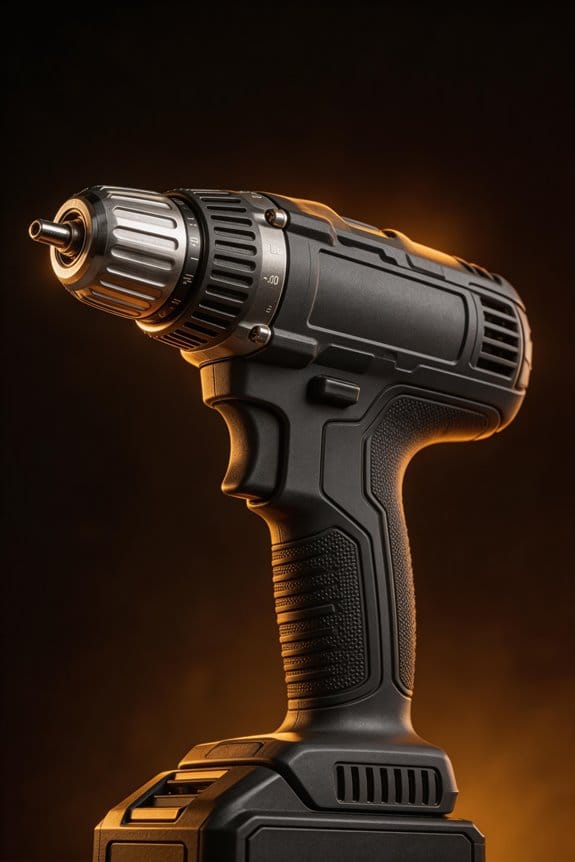
I’ve tested plenty of sub-compact models over the years, and the ones that stay cool longer share a few key features. Enlarged rear vents make a genuine difference—they’re not just cosmetic. When you open up the back end, you’re creating a real pathway for hot air to exit instead of building up inside the housing. It sounds simple because it is.
Here’s the trick: the material matters just as much as the vent size itself. Reinforced polymers with internal ribbing do heavy lifting. Those ribs aren’t decorative—they help move heat away from the motor and toward the housing surface where it can actually dissipate. You get durability and cooling performance in one design choice.
Try this approach if you’re shopping:
- Look for tools measuring around 5 to 5-5/16 inches with slimmed base designs
- Check that vents aren’t blocked or unnecessarily small
- Feel the housing material—ribbed sections should feel intentional, not cheap
The base design matters too. Slimming it down opens up more airflow pathways in tight spaces where the tool sits. When you’re working in cramped areas—inside cabinets, behind walls, whatever—those open pathways keep air moving instead of trapping heat.
So, why does this matter beyond just comfort? Because a cooler tool runs more efficiently and lasts longer.
Vibration-absorbing handles add another layer of protection. They’re not just nice to grip. When the motor’s running hard, those handles prevent heat from transferring straight into your hands during longer jobs. Frankly, it’s the difference between finishing a full day of work and having to set the tool down halfway through.
The best part is you don’t have to sacrifice portability or maneuverability. Professional cooling performance and true compact size aren’t enemies—they’re just about strategic ventilation placement combined with smarter materials. You get what you actually need: a tool that stays cool when it matters, fits where it needs to fit, and doesn’t punish your hands.
What’s your current biggest pain point with compact tools—overheating, or something else?
Smart Batteries and Fast Chargers: Reducing Thermal Stress
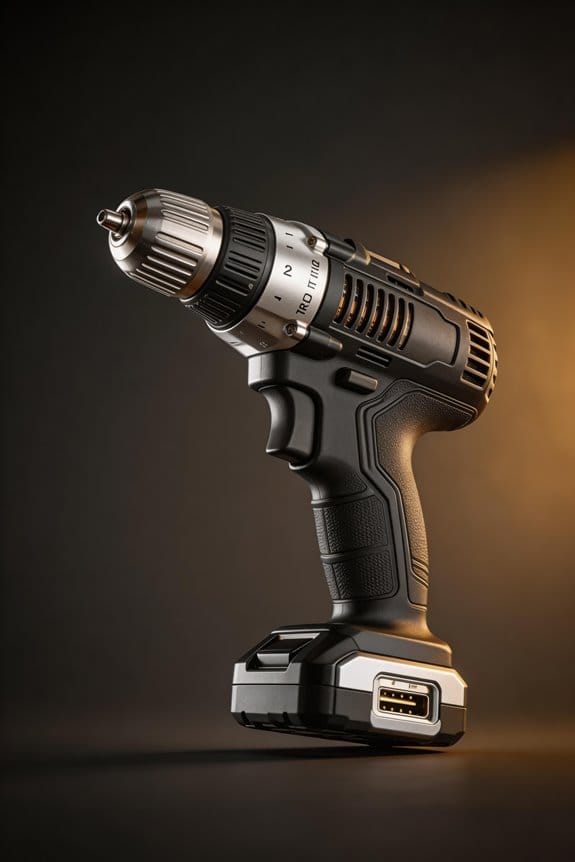
Ever had your drill cut out mid-project because the battery got too hot? Yeah, that’s frustrating. The real culprit isn’t always the tool itself—it’s what powers it.
Here’s the thing: ventilation helps, but your battery and charger are what actually keep you working. REDLITHIUM batteries with XC 4.0Ah capacity manage heat way better during those long jobs. You’re getting consistent power without your tool shutting down on you.
Fast charging makes a huge difference. A full charge in 25 minutes might sound like marketing speak, but the integrated voltage, current, and temperature control built into the charger actually prevents the overheating that kills batteries faster. It’s not just about speed—it’s about doing it smart.
Star Protection computer monitors work constantly between your tool and battery, optimizing how much energy gets delivered so nothing overheats or over-discharges. LED indicators tell you exactly how much charge you’ve got left. Why does this matter? Operating at critically low battery levels creates thermal stress that wears everything out faster.
The integrated fan in rapid chargers actively cools batteries during thermal events, which directly extends how long your battery actually lasts. Honestly, that’s the feature that surprised me most—it’s not flashy, but it works.
You get longer tool life, fewer thermal shutdowns, and batteries that actually stay reliable. Frankly, that combination beats whatever quick fix you find elsewhere.
Choosing Your Cooling Strategy: What Features Matter Most
Choosing Your Cooling Strategy: What Features Matter Most
Ever grab a power tool mid-project and realize it’s getting way too hot to hold comfortably? That’s when cooling strategy becomes less about specs and more about actually getting your work done without taking constant breaks.
The motor you choose matters more than you’d think. Brushless motors with POWERSTATE technology run cooler and more efficiently in those compact 5-inch housings—they just handle heat better than older designs. But the motor’s only half the battle.
Here’s what actually makes a difference:
Your tool’s airflow design is critical. Look for increased rear vents and a slimmed-down base that lets air move freely rather than getting trapped. Frankly, this is one of those features manufacturers sometimes skimp on, but it’s what keeps your tool running longer without thermal stress.
Now, let’s talk batteries. Your battery choice directly affects how much heat your tool generates in the first place. Pairing REDLITHIUM XC 4.0Ah cells with rapid chargers that have built-in cooling fans reduces overheating considerably. So why does this matter? Because heat degrades battery life and performance—it’s that simple.
Star Protection systems are worth understanding too. They let the tool and battery communicate with each other, essentially preventing thermal stress before it happens during those demanding jobs. It’s a small thing, but it works.
Weight matters more than people realize. A tool around 2.2 pounds keeps operator fatigue down, and lighter tools typically run cooler since there’s less mass absorbing heat. You’ll notice the difference during extended use in tight spaces where you can’t take frequent breaks.
Finally, use that variable speed trigger wisely. You don’t need full power all the time, and running at lower speeds cuts down on unnecessary heat buildup. What kind of work are you doing most often—light detail work or heavy-duty stuff?
Frequently Asked Questions
Can Vibration-Absorbing Handles Actually Reduce Heat Transfer to My Hands During Use?
Yes, vibration-absorbing handles genuinely reduce heat transfer to your hands. I’ve found that vibration dampening minimizes friction-generated warmth reaching you directly. This design prioritizes user comfort by keeping your grip cooler during extended use, making those long projects feel less exhausting.
How Much Longer Does REDLITHIUM Battery Technology Last Compared to Standard Lithium Batteries?
Like comparing a marathon runner to a sprinter, REDLITHIUM batteries outlast standard lithium by delivering up to 50% longer runtime per charge. I’ve found the reduced heat generation factors into this extended battery lifespan comparison, making them ideal for demanding jobs.
What’s the Difference Between FLEXVOLT and LXT Battery Systems for Thermal Performance?
I’ll tell you that FLEXVOLT advantages include ultimate runtime without excessive heat generation, while LXT limitations mean it provides good but less extensive thermal management. FLEXVOLT’s superior system better handles demanding applications where you need sustained cooling performance.
Does the Integrated Fan in Rapid Chargers Significantly Improve Overall Battery Lifespan?
I’d say the integrated fan in rapid chargers greatly extends your battery health by preventing overheating during charging cycles. It’s an excellent thermal management feature that reduces degradation, helping your batteries last considerably longer overall.
How Do All-Metal Gears and 24-Position Clutches Contribute to Heat Reduction?
I’ll explain how these components reduce heat. All-metal gear materials eliminate friction losses that brushed alternatives create, while 24-position clutch mechanisms allow precise power control, preventing overload situations that generate excessive heat during demanding tasks.