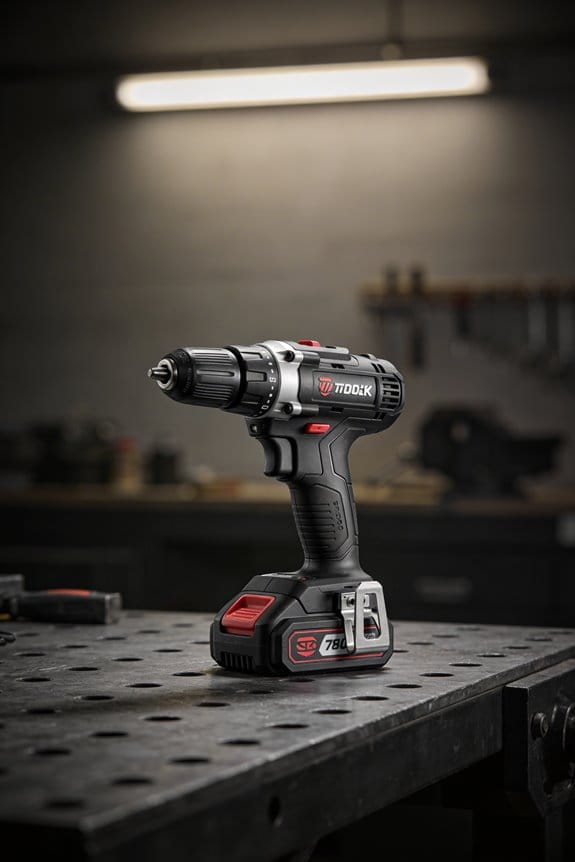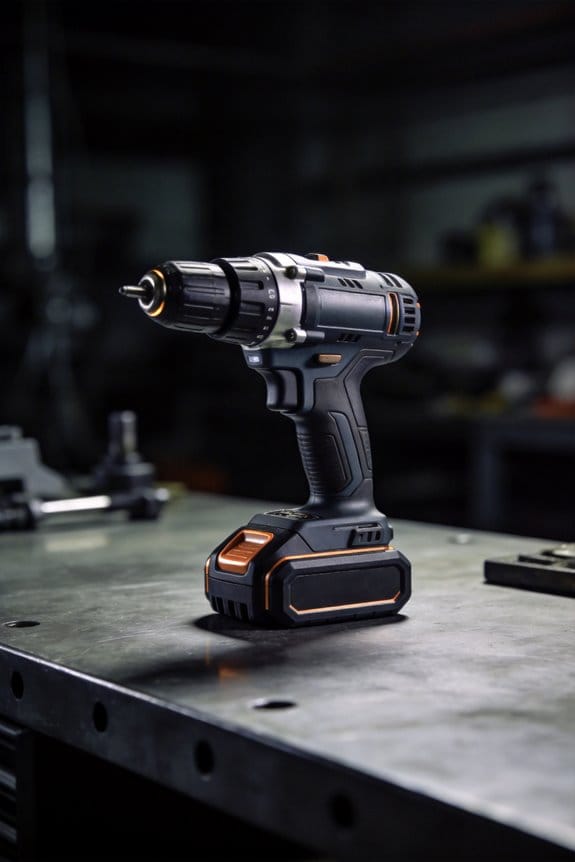


I’ve shifted from calling handymen to handling repairs myself with basic tools costing $200–$500. Simple projects like shelving or fixture replacement build confidence quickly. A cordless drill ($89–$149), level, stud finder, and measuring tape cover most tasks. You’ll recover your investment after five moderate repairs, saving 40–60% on labor. I reserve professional help for electrical, plumbing, and structural work requiring permits. This balanced approach protects your home while reducing unnecessary expenses. Understanding which projects suit DIY reveals significant savings potential.
Key Takeaways
- DIY tool investments ($200-$500) pay for themselves after five moderate repairs, making ownership economically viable for homeowners.
- Modern power tools with laser levels, digital angle finders, and impact drivers enhance precision and user confidence for independent projects.
- Starting with simple, short projects builds foundational skills and accomplishment, empowering homeowners to tackle increasingly complex tasks independently.
- Strategic tool ownership versus rental decisions depend on project frequency; renting remains cost-effective for occasional, specialized equipment needs.
- Homeowners gain control over minor repairs and maintenance while reserving professional expertise for complex tasks requiring permits and building codes.
DIY Tools vs. Handyman Hiring: The Real Cost
So you need to fix something around the house. Do you buy the tools or call someone who actually knows what they’re doing?
Honestly, it’s not as simple as just comparing the price tags. Both options cost money—just in different ways.
The Tool Route
Let’s talk about what you’re actually spending. A decent cordless drill runs you somewhere between $89 and $149. That’s the entry point. Once you have it, that same drill can handle thousands of fasteners across however many projects you throw at it over the years. The real question is: how many projects are we talking about? If you’re the type who fixes stuff regularly, tools start paying for themselves pretty quickly. After about five moderate repairs, you’ve basically broken even on that drill investment.
But there’s more to it than just the purchase price. You’ll need somewhere to store your tools, and you’ve got to keep them in decent shape. That takes space and a little maintenance time.
The Handyman Option****
Hiring a pro typically costs $50–$100 per hour. A standard repair might run you $400–$800 total, depending on what needs fixing. You’re paying for their skill and their time—and honestly, sometimes that’s worth every penny, especially if the job is complicated or risky.
Why does this matter? Because the “right” answer depends entirely on your situation. Are you handy, or is plumbing a complete mystery to you? Do you have a bunch of projects lined up, or just one stubborn issue?
A Few Things to Consider
Try this approach: think about how often you actually fix things around your place. Once a year? Once a month? That frequency should drive your decision more than anything else. Also factor in how complex the work is—some jobs need professional-grade equipment and expertise, while others are pretty straightforward.
The best part is that you don’t have to pick one forever. You might hire someone for the tough stuff and grab a drill for the smaller tasks.
At the end of the day, figure out how many repairs you’re realistically going to do, and the answer kind of becomes obvious. What does your repair schedule actually look like?
Building DIY Confidence When You’re Starting From Scratch

Building DIY Confidence When You’re Starting From Scratch****
Want to know the honest truth? Most people think they need to be naturally handy to tackle home projects. They’re wrong. If you’re willing to start small and actually pay attention to what you’re doing, your confidence builds way faster than you’d think.
Begin with projects that don’t scare you. Installing shelving, replacing light fixtures, or swapping out cabinet hardware—these are your entry points. They’re not complicated, but they teach you how tools work and what it feels like to finish something you made happen.
Here’s what you actually need in your toolkit:
- A basic drill (not fancy, just functional)
- A level to keep things straight
- A stud finder so you’re not guessing where to anchor things
- A measuring tape you can trust
The key is keeping your first projects short. Aim for stuff you can knock out in under two hours. Why does this matter? Because finishing something in a single afternoon means you actually feel the win instead of getting frustrated halfway through and giving up.
Document what you do. Seriously. Take photos of how you drilled that hole or which anchor worked best. Frankly, your future self will thank you when you’re trying to remember how you installed something three months ago. Skill development accelerates when you have a record of what actually worked.
Focus on mastering the fundamentals. Different fasteners do different things. Wall anchors aren’t all the same. Drilling techniques change depending on what you’re drilling into. Once these basics click, everything else gets easier.
Your confidence grows through repetition and small wins—that’s just how it works. Move from simple installations to moderate repairs systematically. This approach keeps you from making expensive mistakes while building actual competence in maintaining your own home.
What’s the first project you’ve been putting off?
The Real Cost Comparison: DIY Versus Professional Help

Building confidence through small wins feels amazing, but then reality hits. The math gets real when you’re staring at a project that’s bigger than your skill set.
So, why does this matter? Because the difference between a smart DIY move and a costly mistake comes down to honest math. Simple tasks like replacing fixtures? You’ll pocket 40-60% in savings versus hiring someone. That’s solid. But electrical work, plumbing, anything that needs a licensed contractor—you’re looking at $150-300 per hour. There’s no way around that cost.
Let’s talk tools. A basic DIY setup runs $200-500 to get started. That’s an investment that stings upfront, but it pays off if you’re planning to maintain your home year after year.
Here’s where most people get stuck: they don’t calculate the full picture. You need to add up materials, tools, and your own time valued at what a local professional would charge. That’s the real number.
Truth is, routine maintenance makes sense to tackle yourself. You know your home, you’ll do it anyway, and the savings stack up. Major renovations, though? That’s different. Specialized work prevents mistakes that cost way more to fix later. A contractor’s higher fee actually protects your wallet in the long run.
What’s one project around your place that’s been sitting in the back of your mind?
Smart DIY Tools That Close the Skill Gap

Smart DIY Tools That Close the Skill Gap
You know that feeling when you look at a project and think, “I have no idea what I’m doing”? Yeah, that used to stop me cold. But here’s what’s changed: the tools themselves are getting smarter, which means you don’t need a decade of experience to pull off professional-looking work.
Modern power tools come loaded with features that basically hold your hand through tough jobs. A laser level I tested stayed accurate to 1/8 inch even across 100 feet—no more squinting at bubble levels or second-guessing yourself. Digital angle finders show you exact measurements right on an LCD screen, letting you nail angles within 0.1 degrees. That’s the kind of precision that used to separate amateurs from pros.
Where it gets really practical: Built-in sensors do the thinking for you. Impact drivers with torque limiting know when to stop tightening, so you’re not stripping screws or cracking trim. You’re working smarter, not harder.
The connectivity piece might sound like overkill, but it actually matters. Your smartphone tells you battery levels and pings you when maintenance is due. No more halfway through a project realizing your drill’s about to die.
Frankly, these tools aren’t replacing the judgment that comes from experience. You still need to know *when* to use what. But they’re handing beginners the precision that usually takes years to develop. That’s the real win—you get results that look intentional and professional without needing to apprentice under someone for five years.
DIY/Pro Hybrid: Which Tasks to Handle In-House

The real question isn’t whether you can do the work yourself—it’s which tasks’ll actually save you money and which ones’ll cost you more in mistakes.
What Works for DIY
Straightforward home maintenance like painting, caulking, and basic repairs are solid DIY projects. You probably already own the tools, and the stakes are low if something isn’t perfect. The worst-case scenario? You repaint a wall. That’s manageable.
When Tool Rental Makes Sense
Drywall installation or flooring projects can get expensive fast if you buy equipment. A drywall lift costs around $800 to own, but you can rent one for $40 a day. If your project takes a week, you’re spending $280 instead of $800. That math works.
But here’s the thing—tool rental only saves money if you know what you’re doing. Renting equipment to figure out how to use it defeats the purpose.
Where You Need a Professional****
Electrical and plumbing work is different. Mistakes create safety hazards and code violations that’ll haunt you during inspections or when you sell. Honestly, the cost of fixing a professional’s work beats the cost of fixing your own every single time. Your homeowner’s insurance might not even cover DIY electrical disasters.
Structural work, anything requiring permits, and tasks involving building codes? Hire it out.
The Smart Balance****
Try this: tackle tasks requiring basic hand tools you already own. Reserve professionals for specialized work. This approach keeps more money in your pocket while protecting your investment.
What’s a project around your house that’s been nagging you—is it really a DIY job, or should you call someone?
Frequently Asked Questions
How Do Privacy Concerns With Smart Home Tools Affect DIY Project Planning?
Like Pandora’s box, once I’ve opened smart home automation, I’m wrestling with privacy anxieties that genuinely complicate my DIY planning. I’m hesitant adopting smart device security tools when I don’t understand data usage—55% of us don’t—so I’m often choosing traditional methods instead.
Why Are Younger Homeowners Driving the Shift Toward Hands-On Home Improvement?
I’ve found that younger homeowners are driving this shift because they value hands-on skills and homeowner empowerment. They’re tech-savvy, cost-conscious, and prefer DIY projects that give them direct control over their homes’ improvements and maintenance.
What Role Does AI Play in Modern Residential Maintenance Decision-Making?
I’m finding that AI algorithms and predictive analytics transform how you maintain your home. Smart diagnostics alert you to issues before they worsen, while automated maintenance scheduling empowers you to make informed decisions faster, reducing costly emergency repairs.
How Can Renters Benefit From Property Managers’ Tech Adoption Trends?
You’d think renters aren’t tech beneficiaries, yet they’re gaining real power. When your property manager adopts AI tools and automation, you’re getting faster maintenance responses, real-time updates, and efficiency-supporting technology—I’m witnessing tenant empowerment through tech integration that actually improves your daily living experience.
Does Digital Tool Transparency Matter When Choosing Between DIY and Professional Services?
Yes, it matters tremendously. I’d argue that understanding how tools work—your digital literacy and tool accessibility—directly determines whether you’ll succeed tackling projects yourself or need professional help. Transparency lets you make informed decisions confidently.